


By SPEAKIN’ OUT NEWS
For generations, the Philistines have been known as powerful adversaries in biblical history—most famously, Goliath, the towering giant defeated by David. But beyond the stories, one question has remained: Where did the Philistines come from?
Today, new scientific discoveries are offering answers and reshaping our understanding of these ancient people.
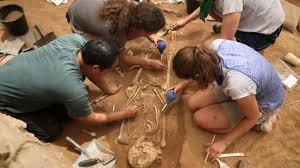
Recent excavations in Ashkelon, an ancient Philistine city along the Mediterranean coast, have uncovered groundbreaking evidence. Researchers analyzed DNA from infant remains buried beneath homes and found genetic links to Southern Europe —specifically the Aegean region, including parts of modern-day Greece.
These findings support ancient accounts describing the Philistines as part of the “Sea Peoples,” migrants who arrived during a time of widespread upheaval at the end of the Bronze Age. Rather than being native to the region, they were likely skilled newcomers who brought advanced knowledge, including ironworking technology, into a world still using bronze tools.
This advantage may help explain why figures like Goliath were remembered as larger-than-life opponents. While archaeology does not confirm a race of literal giants, it does suggest the Philistines were strong, capable warriors whose innovation set them apart.
For today’s readers, this discovery is a reminder that history is complex. Even hose once labeled as “villains” were people shaped by migration, survival, and change—just like communities today.