

By SPEAKIN’ OUT NEWS
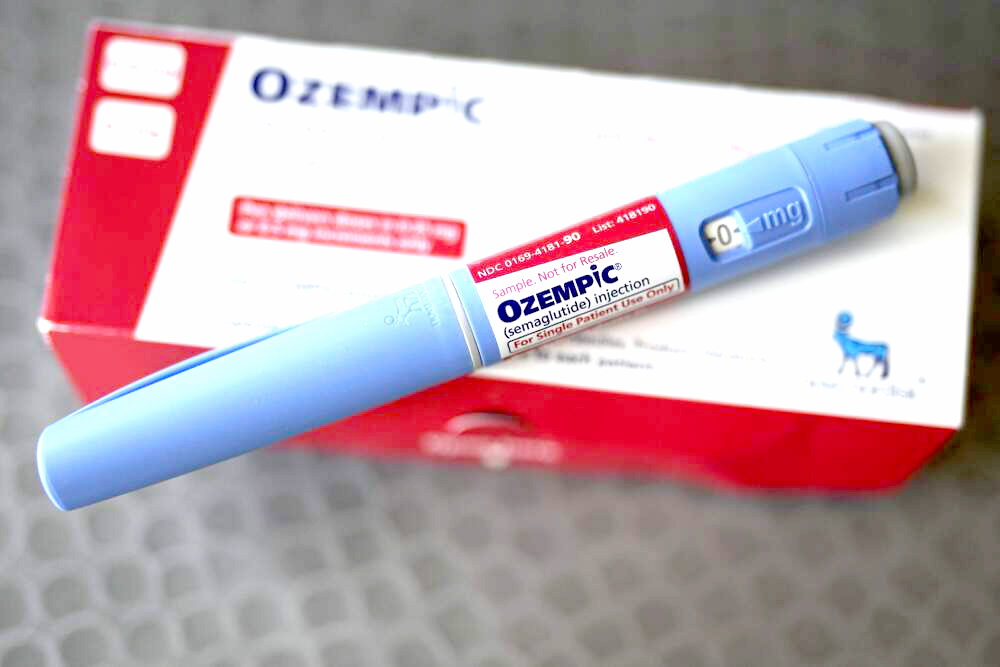
Across the United States, access to popular weight-loss medications like Ozempic is shrinking as several states begin cutting or restricting Medicaid coverage, citing rising costs. The changes, which began rolling out in early 2026, are raising serious concerns about long-term health impacts for low-income communities.
States including California and Pennsylvania have already scaled back coverage for GLP-1 drugs when prescribed for weight loss. In contrast, others, such as South Carolina and New Hampshire have followed with similar restrictions. Most Medicaid programs continue to cover Ozempic for diabetes, but access for obesity treatment is rapidly disappearing.
These medications have gained national attention for their effectiveness in helping patients lose weight and manage chronic conditions. However, the surge in demand has placed significant financial pressure on state Medicaid budgets, forcing lawmakers to make difficult decisions.
Healthcare experts warn that limiting access could deepen existing health disparities. Communities already facing higher rates of obesity, heart disease, and diabetes may now lose access to one of the most effective treatment options available.
“This isn’t just about cost—it’s about prevention,” said a public health advocate. “When patients lose access to care, the long-term consequences can be devastating.”
For many individuals, the out-of-pocket cost of Ozempic can reach hundreds of dollars per month, making it unaffordable without insurance. Critics argue that while cuts may reduce short-term spending, they could lead to higher healthcare costs down the line as preventable illnesses worsen.
As more states weigh similar actions, the future of Medicaid coverage for these high-demand drugs remains uncertain—and deeply controversial.