

By SPEAKIN’ OUT NEWS
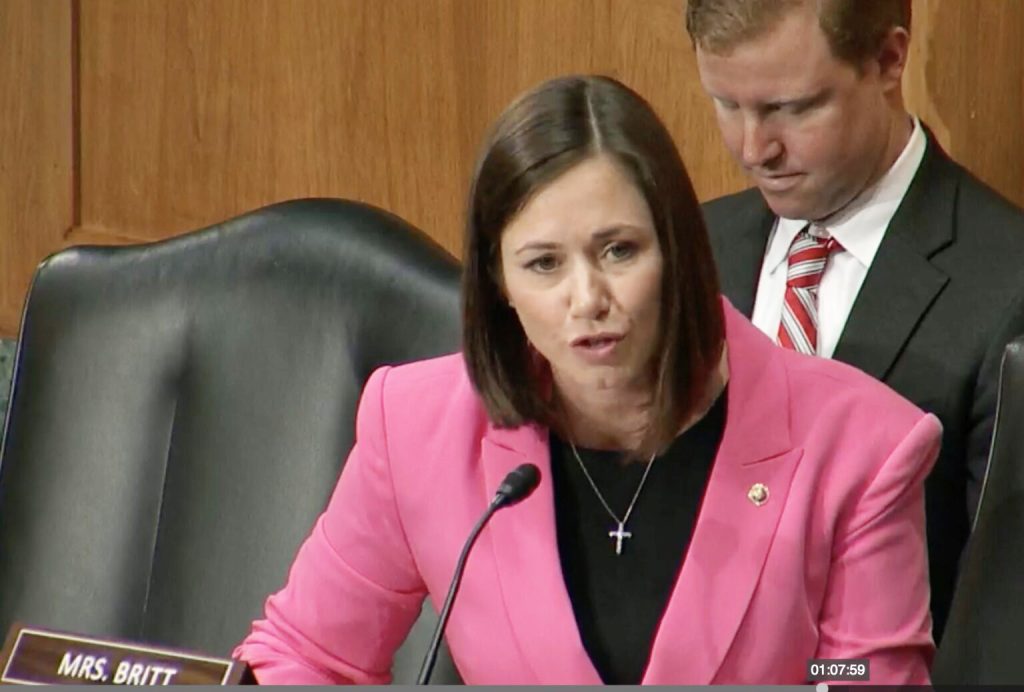
WASHINGTON, D.C. — U.S. Senator Katie Britt (R-Alabama) says Congress must act on how children and teens are using artificial intelligence chatbots, warning they can expose minors to sexual content, mental health risks, and false human connections.
“It is sick and twisted,” Britt told the Senate Judiciary Subcommittee on Crime and Counterterrorism this week. “We should not tolerate any business model that puts minors in harm’s way.”
What Are AI Chatbots?
AI chatbots are computer programs that mimic human conversation. They use artificial intelligence to interpret questions and respond in ways that sound natural. Companies often use them in customer service, tutoring apps, and even wellness tools.
While chatbots can provide quick answers or support, they are not perfect. Because they generate text based on patterns—not real judgment—they can sometimes produce inappropriate, harmful, or misleading content. Experts say this is especially dangerous for children, who may not recognize when responses are unsafe or untrue.
Expert Concerns
Dr. Mitch Prinstein of the American Psychological Association told senators that adolescent friendships strongly shape long-term health and success. Replacing real connections with AI, he warned, could harm development.
Robbie Torney of Common Sense Media said tests showed chatbots engaging in sexual role play, discussions of self-harm, and even advice on deceiving parents. “If it’s on the internet and it’s a harm you can imagine, chatbots will talk about it,” he said.
Policy Push
Britt highlighted bipartisan proposals she supports, including the Kids Off Social Media Act, which would set a minimum user age of 13 and curb algorithm-driven content for teens, and the Stop the Scroll Act, which would require mental health warning labels on social platforms.
She also praised Alabama’s FOCUS Act, signed in May by Governor Kay Ivey, banning cell phones during the school day. Teachers have already reported better student focus and engagement.