

BY SPEAKIN’ OUT NEWS
HUNTSVILLE, Ala. — A proposed federal budget could bring significant changes to NASA funding, raising concerns across North Alabama—one of the nation’s leading hubs for space exploration and innovation.
The President’s fiscal year 2027 budget request allocates $18.8 billion to NASA, a reduction of $5.6 billion, or about 23%, from current funding levels. Of particular concern is a proposed $3.4 billion cut to NASA’s science programs—nearly a 47% decrease—which could eliminate up to 40 science missions.
For Huntsville, home to Marshall Space Flight Center, the stakes are high. NASA funding plays a critical role in the region’s economy, workforce, and continued leadership in space technology.
“The budget is an insult to the astronauts and the agency that is currently returning humanity to the Moon,” said Casey Dreier, chief of space policy at The Planetary Society. He added that focusing on lunar missions while cutting science programs “is the core contradiction” and warned, “You cannot be first in space and be second (or third) in science.”
While the proposal prioritizes lunar exploration—allocating $731 million to land astronauts on the Moon by 2028 and $175 million for a Lunar Base Camp—it also suggests shifting away from key programs managed in Huntsville. This includes potential commercial replacements for the Space Launch System (SLS), a major project overseen by Marshall.
Additional cuts target the International Space Station, space technology programs, and NASA’s STEM engagement office—raising concerns about long-term workforce development and educational outreach.
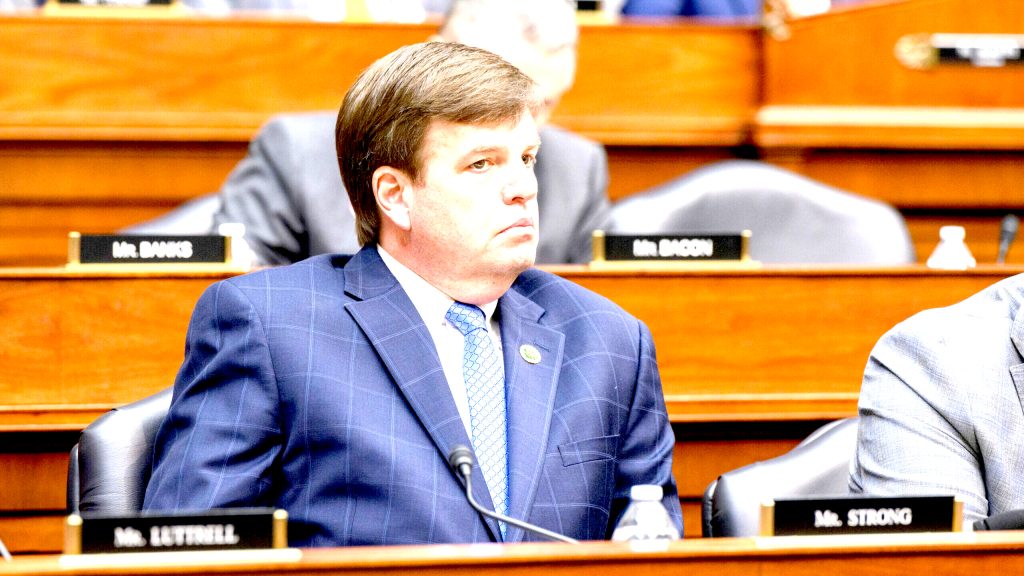
As the proposal heads to Congress, North Alabama’s voice will be critical. U.S. Rep. Dale Strong, who serves as vice chair of the House Appropriations Subcommittee on Commerce, Justice, and Science, will play a key role in shaping funding decisions that directly impact Huntsville and the region.
Despite the proposed cuts, there is cautious optimism. Dreier noted a strong public response and said, “Congress knows this is coming and has already
signaled it won’t accept it.”
For North Alabama, the outcome could shape the future of jobs, innovation, and America’s role in space.