

By SPEAKIN’ OUT NEWS
In Ensley, a historic Birmingham neighborhood shaped by industry, culture, and resilience, community leaders are working to build a Black Arts District that honors the past while creating new opportunities for the future.
Organizers say the effort is about more than art. It is about reclaiming Ensley’s legacy, challenging long-held stereotypes, and investing in a community that has endured decades of disinvestment.
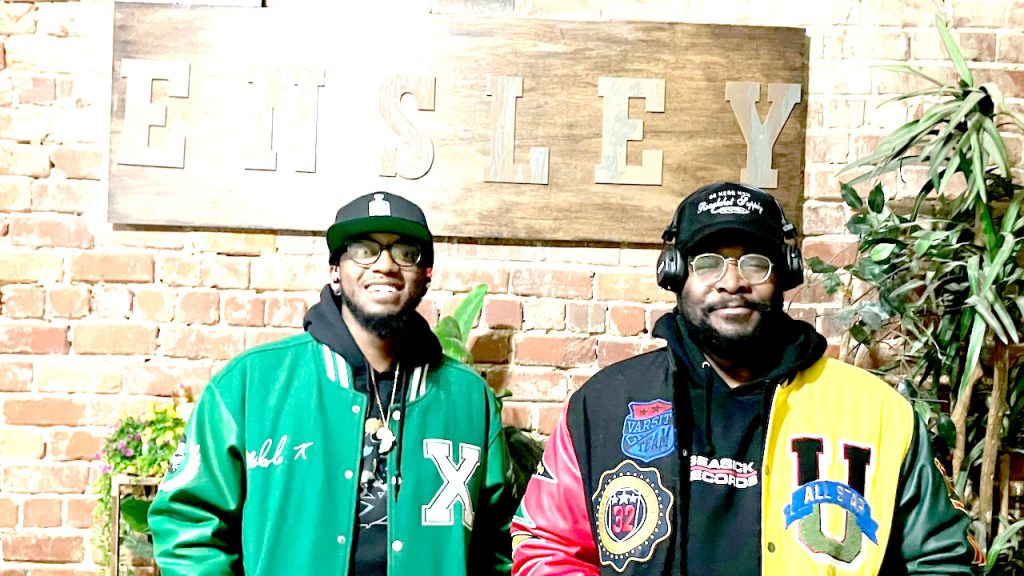
“We’re able to work with a community that’s really dope,” said Jahman Hill, co-organizer of the Black Arts District. “People think it’s dangerous. We want to find out how we can reshape those narratives.”
Hill and Eric Marable Jr., both artists and University of Alabama alumni, launched The Flourish Alabama in 2019 to make the arts more accessible to youth and young adults. What began as small workshops has grown into a movement that has served more than 6,000 people, transforming long-vacant buildings into galleries, music studios, and creative spaces.
Ensley’s Roots
Founded in 1886 by industrialist T.C.I. executive Enoch Ensley, the community was designed as a company town supporting Birmingham’s booming iron and steel industry. Annexed by the city in 1910, Ensley quickly became a center for Black culture, commerce, and music, even amid segregation and racial exclusion.
Today, The Flourish is part of a collective of Black educators, artists, and entrepreneurs working to revitalize Ensley through culture and community-led development.
Ensley was once home to thriving businesses, churches, and legendary venues like Tuxedo Junction, where jazz greats such as Erskine Hawkins helped define Birmingham’s cultural sound. The neighborhood’s decline followed the collapse of the steel industry, including the closure of Ensley Works in 1981, compounded by redlining, job loss, and disinvestment.
Despite those challenges, longtime property owner and advocate Brian K. Rice says Ensley’s future remains bright. “My aspiration is to bring positive spaces to Ensley with the arts, workforce and entrepreneurial development,” Rice said.
Community activists like Bettina Byrd-Giles, co-founder of Ensley Alive, say arts-driven efforts are already shifting perceptions. “There’s more to the community than what people are told,” she said.
Organizers envision the Black Arts District extending beyond its current footprint, creating welcoming spaces across Birmingham where Black artists are respected and valued. With more than $1 million invested into the local arts economy over five years, supporters say the movement proves what’s possible when a community believes in itself.
“We believe in our city,” Hill said. “We want the city to believe in itself too.”