

BY SPEAKIN’ OUT NEWS
Two Alabama members of Congress are pushing back after the University of Alabama announced plans to cancel two long-standing student publications, raising serious concerns about free speech, academic freedom, and campus inclusion.
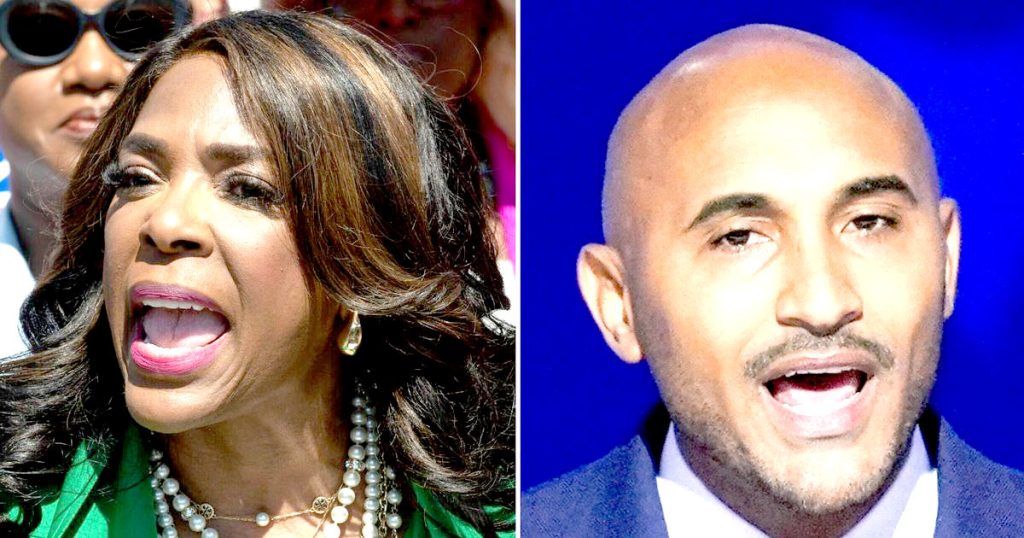
U.S. Reps. Terri Sewell and Shomari Figures, the only Democrats in Alabama’s congressional delegation, sent a formal letter to University of Alabama President Peter Mohler urging the immediate reinstatement of the student magazines Alice and Nineteen-Fifty-Six. Lawmakers also requested a meeting with university leadership to address their concerns directly, according to a news release.
In their letter, Sewell and Figures warned that the decision to cancel the publications carries “profound implications for free speech, academic freedom, and the university’s stated commitment to fostering an inclusive campus environment.” The publications have historically served as platforms for student voices, creative expression, and perspectives that reflect students’ lived experiences on campus.
According to the lawmakers, students and supporters of the magazines believed the publications were safe after they were not canceled following the passage of Senate Bill 129 in 2024, a state law that bans diversity, equity, and inclusion (DEI) funding for state programs. The magazines continued to operate after the law took effect, reinforcing the assumption that they were not in violation of the law.
The sudden decision to eliminate the publications has therefore raised additional questions about whether the move is tied to the law’s implementation or represents a broader shift in how the university interprets student expression and inclusion-related programming.
Sewell and Figures emphasized that student-run media are essential to higher education, functioning as training grounds for future journalists and writers while also protecting open dialogue and institutional accountability. They cautioned that silencing student publications undermines the core mission of public universities.
University officials have not publicly provided a detailed explanation for the cancellations, prompting concern among students, alumni, and free speech advocates seeking transparency from university leadership.
With growing national scrutiny of campus speech and DEI-related policies, the lawmakers’ intervention places increased pressure on the University of Alabama to reconsider its decision and engage directly with those affected.
As debates over free expression and inclusion continue across college campuses nationwide, the outcome at the University of Alabama could carry lasting implications for student voices in Alabama’s public institutions.