

By SPEAKIN’ OUT NEWS
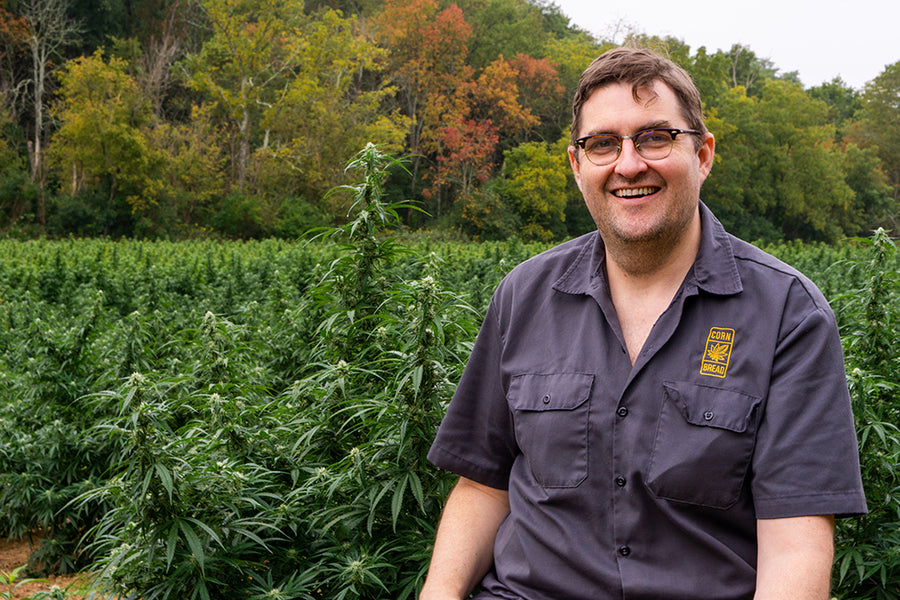
Jim Higdon, co-founder of Cornbread Hemp and a board member of the U.S. Hemp Roundtable, is sounding the alarm over Alabama’s newly signed hemp law—House Bill 445 (HB445)—warning that it could cripple small businesses and spark constitutional challenges.
Speaking with Alabama Political Reporter (APR), Higdon criticized the law for placing what he called “overly broad and inconsistently enforced” restrictions on hemp-derived products like THC-A and CBD.
Signed by Gov. Kay Ivey, the law imposes sweeping regulations:
- Bans smokable hemp
- Caps THC in edibles and beverages at 10mg
- Prohibits online, drive-thru, and direct-to-consumer sales or deliveries
- Imposes a 10% excise tax and $1,000 annual licensing fee
- Bars sales in convenience stores and gas stations
- Threatens non-compliant retailers with up to 10 years in prison
“Treated More Harshly Than Alcohol”
Higdon expressed particular concern over the apparent double standard between how hemp and alcohol are regulated in Alabama.
“There’s no potency cap on beer, liquor, or wine,” he said. “But hemp is limited to 10mg of THC, and we’re banned from even offering in-store tastings or online sales.”
He also pointed to a provision banning packaging that could be considered “attractive to children,” such as fruit imagery on cans—a rule not applied to alcoholic beverages.
“It’s frustrating to see us being treated more strictly than alcohol,” Higdon added.
Legal and Economic Consequences
Higdon also raised constitutional concerns over the state’s ban on out-of-state direct-to-consumer sales of hemp. He explained that while the 21st Amendment allows states to regulate alcohol, there is no similar constitutional basis for restricting federally legal hemp.
“This raises serious legal questions,” he said. “Hemp is federally legal, yet Alabama is trying to block lawful interstate commerce.”
The economic fallout could be swift, Higdon warned, especially for independent retailers.
“Many of these shops believed they were operating legally under federal law,” he said. “Now, Alabama says they can’t sell—and some may be forced to shut down.”
Rushed Passage and Lingering Fallout
Adding to the frustration, Higdon accused Alabama lawmakers of pushing the bill through hastily during the final days of the legislative session without public input.
“Significant last-minute changes were made without the opportunity for comment,” he said. “That tells me the bill’s sponsors didn’t have public opinion on their side.”
Still, Higdon acknowledged a few small positives. Alabama’s 10mg THC cap is more generous than Kentucky’s 5mg limit, and grocery stores could now qualify to sell some hemp products.
Not the End of the Fight
Looking ahead, Higdon says the U.S. Hemp Roundtable will be lobbying lawmakers at interim committee meetings and ahead of the 2026 legislative session.
“This issue isn’t going away,” he said. “HB445 was an imperfect attempt at regulation. We’ll be back to push for smarter, fairer legislation that protects both businesses and consumers.”