

By Attorney Raven Beach
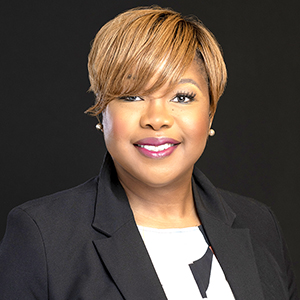
Attorney Raven Perry-Beach, founder of Beach Law Practice and a dedicated advocate for veterans and community justice, joins Speakin’ Out News as its new legal columnist. With nearly 20 years of experience in Alabama, Tennessee, Massachusetts, and D.C. Perry-Beach is committed to educating the public on legal matters that impact everyday life.
I’m elated to see the strides that the Alabama Legislature has made in addressing health disparities for its citizens, particularly minorities. They convened on January 13, 2026, and the work being done will undoubtedly impact you or someone you know. We’re seeing legislation addressing the infant mortality rates, cancer screenings, and even living organ donors. Let’s take a closer look.
HJR57 was co-sponsored by Representative Marilyn Lands (D) and Representative Laura Hall (D),and was introduced to address Alabama’s high rates of infant death, especially those in more rural areas and among Black and Indigenous people who often lack access to prenatal care. More than one-third of Alabama’s counties are located in areas with inadequate birthing facilities or healthcare providers. The goal of the bill is to expand midwifery, fund rural birth centers, and increase availability to prenatal care. The bill also introduces the idea of mobile health units and was passed by the House.
Cancer Screenings- Governor Kay Ivey has signed legislation into law that eliminates out-of-pocket costs for men considered at higher risk for prostate cancer. This law specifically impacts men over 50, Black men, and those at higher risk due to family history or age. Under the new law, state-regulated health plans are prohibited from charging deductibles, copays, or other cost-sharing requirements. The goal of the bill is to remove financial barriers and promote early detection. The law will take effect on October 1. Additionally, though not introduced by the Alabama Legislature, U.S.Representative Terri Sewell (D) co-sponsored the House passage of H.R. 842, the Nancy Gardner Sewell Medicare Multicancer (MCED) Screening Coverage Act. This bill allows for Medicare coverage and payment for early detection screening tests for several types of cancer. It will take effect in 2028.
House Bill 361- The Alabama Living Donor Protection Act was introduced by House Minority Leader Anthony Daniels (D). If signed into law, life insurance providers would no longer be able to deny coverage to living donors. Public sector employers would also be required to offer paid leave up to 80 hours to employee donors.
Together, these legislative advances mark a promising step toward a healthier, more equitable future for all Alabamians.
Raven Perry-Beach, Esq.
107 Jefferson St.
Suite 14
Huntsville, AL 35801
(256) 799-0292
* Licensed in Alabama, Tennessee, Massachusetts, and DC
NO CLIENT RELATIONSHIP: Communication with an attorney does not by itself create an attorney-client relationship or constitute the provision or receipt of legal advice. Any communication from this office should be considered informational only, and should not be relied or acted upon until a formal attorney-client relationship is established by written agreement.