


SPEAKIN’ OUT NEWS

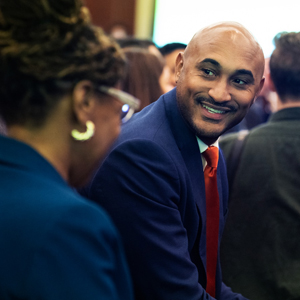
WASHINGTON, D.C. — Alabama Congressman Shomari Figures is sounding the alarm on the state’s worsening rural healthcare crisis — and he’s taking bipartisan action to try and stop the bleeding.
Figures, a Democrat representing 13 counties between Mobile and Russell County, says six rural hospitals in his district are at risk of shutting down, which would leave just two rural hospitals remaining outside of the Montgomery and Mobile metro areas.
“This is not sustainable,” Figures told AL.com. “It significantly impacts the economic vitality of rural communities because businesses and people do not want to be in areas that do not have hospitals.”
In April, Figures partnered with Rep. Brian Jack, a Georgia Republican and former Trump administration official, to introduce a bipartisan bill that would offer grants of up to $5 million to support the operational costs of rural hospitals — a use of federal funds that is currently restricted.
“It’s a bipartisan piece of legislation, which is critical,” Figures said. “It shows the urgency and prevalence of this issue — one that does not discriminate along party lines.”
Hospitals would be eligible to reapply for additional funding every five years.
Figures said during his travels across Alabama, rural hospital closures have been the top concern raised by constituents. The collapse of care in smaller counties would also place tremendous strain on nearby urban hospitals, many of which are already struggling.
“If the rural hospitals close in Butler and Crenshaw counties,” he said, “those patients will flood into Montgomery County, where Jackson Hospital is already in bankruptcy.”
According to the Center for Healthcare Quality and Payment Reform, seven rural hospitals in Alabama have closed since 2011, and 22 of the remaining 52 are at “immediate risk” of closure in the next three years.
Figures, along with Rep. Terri Sewell (D-Ala.), who represents Birmingham, Tuscaloosa and Black Belt communities, believes their districts may represent two of the worst in the nation for healthcare access and outcomes.
The Alabama Legislature has passed smaller measures such as improved tax credits and a proposed fund to support rural hospitals, but the state has repeatedly refused to expand Medicaid, which many experts say would provide the most impactful support.
When Jackson Hospital filed for bankruptcy in 2024, officials said the hospital had spent more than $45 million on care for uninsured patients in just one year.
Despite federal budget cuts and reluctance at the state level, Figures remains hopeful that if the bill passes, the Department of Health and Human Services could distribute the grants.
“We understand the environment we’re in,” Figures said. “But we also understand that the environment locally requires action — and tangible results — if we’re going to keep rural hospitals open and help our rural communities grow, thrive, and survive.”