


By SPEAKIN’ OUT NEWS
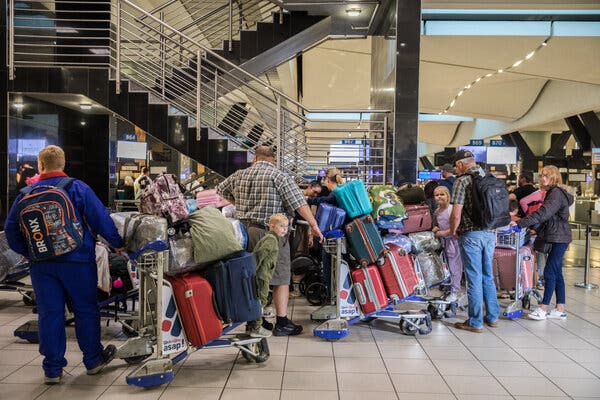
A group of white South Africans, known as Afrikaners, began arriving in Alabama on May 12, following a directive from the Trump administration that prioritized their resettlement under the U.S. refugee program—while thousands of refugees from war-torn nations remain in limbo due to a federal freeze on broader admissions.
The policy, announced earlier this year, has drawn criticism from faith leaders, refugee advocates, and resettlement organizations, many of whom say the decision amounts to preferential treatment and undermines decades of U.S. refugee policy rooted in humanitarian need.
Support for Afrikaners, Pause for Others
Inspiritus, a nonprofit that serves refugees across Alabama, Georgia, and Tennessee, confirmed that it is coordinating services for the new arrivals, but declined to provide specific numbers, citing privacy concerns.
“We are mandated to serve all refugees, no matter how they arrive,” said Liz Kurtz, Alabama’s refugee coordinator for Inspiritus.
Afrikaners are descendants of European colonists who upheld South Africa’s apartheid system, which legally enforced racial segregation and white minority rule for decades. Although they remain a small minority in post-apartheid South Africa, some Afrikaners claim they now face discrimination in hiring and land access due to policies aimed at redressing historical inequities.
The South African government has implemented land redistribution programs, but denies that these efforts unfairly target white residents. Nonetheless, President Donald Trump has labeled the situation a “genocide” against white landowners—a claim South African officials strongly reject.
Resentment and Repercussions
While Afrikaner resettlement moves forward, thousands of vetted refugees from nations such as Afghanistan, the Democratic Republic of Congo, and Syria remain stranded after Trump paused the refugee program and froze funding for more than 20,000 people awaiting resettlement.
“It’s disrespectful to the refugees we’ve been helping—families fleeing war and persecution,” said Yasmeen Othman, an employment specialist with Inspiritus. “This population [Afrikaners] was not running from the same conditions.”
The shift has caused dismay and disarray within the U.S. refugee resettlement community. In March, agencies across Alabama laid off staff and suspended programs following Trump’s executive order on refugee admissions.
One of those affected was Global Ties Alabama, a Huntsville-based organization that had prepared to welcome three families before the January 24 order took effect.
“You’ve been told you’re coming in January and February, and all of a sudden, you cannot come,” said Executive Director Jacqui Shipe. “I don’t know what kind of persecution they’ve gone through, so I feel devastated about that.”
Faith Groups Push Back
The Episcopal Church, which has operated a refugee resettlement ministry for nearly 40 years, announced it would not participate in the Trump administration’s expedited Afrikaner relocation program.
“It has been painful to watch one group of refugees, selected in a highly unusual manner, receive preferential treatment over many others who have been waiting in refugee camps or dangerous conditions for years,” said Presiding Bishop Sean Rowe, who oversees the Episcopal Church in the U.S.
Dwell Mobile, an Alabama resettlement agency affiliated with the church, echoed that decision.
“We stand with them in their decision,” said Executive Director Jeri Stroade. “We will continue to serve our current clients as they acclimate and rebuild their lives in the United States.”
Uncertain Future
Meanwhile, Inspiritus says it is working with the Trump administration in hopes that restoring services for Afrikaners could eventually lead to a restart of the broader refugee program. Kurtz added that many refugees approved during the Biden administration—having already passed rigorous screening—remain stranded and in urgent need of resettlement.
For now, the arrival of 59 Afrikaner refugees under a new political directive has further exposed divisions in American refugee policy—leaving displaced families around the world waiting for clarity, and Alabama’s refugee service community at a crossroads.